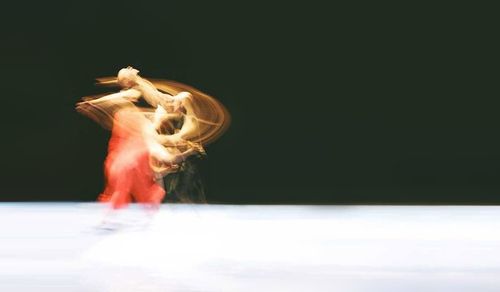
Photo: Keith Johnson/Dancers
Looking back on the first 100 artist profiles shared on the blog, many choreographers around the United States shared what they look for in a dancer and how they find dancers. The audition format is used less and less. These descriptions offer us a window into performing work right now, and what is valued alongside technique and a strong resumé. Directly hearing from working artists, we reconsider the skills and traits to be a performing artist in current times.
———————————–
How do you find dancers? What do you look for in a dancer?
From Katie Faulkner (Oakland, CA):
Someone who is smart, skilled, inquisitive, open, brave, mature, and a collaborator/team player at heart.
From Ivy Baldwin (New York, NY):
I value individuality. I’m drawn to performers who strike me emotionally, people who are willing to be vulnerable both in the studio and on stage. I’m interested in working with people who are smart, strong willed, have a wicked sense of humor, and are interested in collaborating, creating, and discussing the work together.
Although I’ve chosen many dancers from auditions for student work, I’ve never held an audition for my company. I see a lot of dance in NY and have often asked people I’ve seen perform in other work to come into rehearsal, or I’ve ended up working with someone who was recommended to me by a trusted friend. Building a history with artists has been important to me and I tend to work with the same dancers and designers for many years. All of my performers are currently New York City-based dance artists.
From Keith Johnson (Long Beach, CA):
I usually know the dancers who work for me on a personal level. I don’t do auditions. In many ways, I’m a shy person, and tend to be a loner, so it’s hard for me just to hire someone that I don’t know. I’ve done it once or twice and have had mixed results. I don’t like doing auditions because it just really doesn’t show me much. I use former students because I know them but am starting to move away from some of that as well. It’s hard on them to feel like they are still students and sometimes they want to move on because they want other opportunities to grow. I understand it and yet quite often I get really hurt. It’s like a break up. Right now my dancers are living everywhere around the country. It’s expensive to plan projects but I like this model best for me. I can’t rehearse consistently so I’d rather do intensive periods of rehearsal with each dancer understanding and knowing his/her responsibility before showing up. I’m constantly working on the works on myself or in my head so I run an efficient rehearsal process. When everyone is around, I like long hours and it’s like family. Sometimes I’m annoying and a pain in the ass to work with and sometimes I’m fun. I’m always grateful to the dancers and for their contributions. It’s painful for me when they leave after a process and even more painful if it’s permanent. I hate to let dancers go but I have done so because they didn’t work out. It’s very hard to do, so I make sure I choose carefully. I like a balance of genders, ethnicities, older, young, gay, straight, nerds, hipsters, parents, introverts, extroverts, funny, religious, non-religious, dramatic but they have to love my work and my process. They have to be inclusive of everyone in the room. They have to have courage and want to be in the room and do the work. I have to trust them or we are doomed.
From Melecio Estrella (Oakland, CA):
Presence, patience, sensuality, pleasure, the ability to take a ride on the movement, kindness, hilarity, fire.
From Lily Baldwin (New York, NY):
My dancers are my friends. And they find me.
Someone has to be distinct. It’s a knack really. I have a great community of artists and performers because of all the hats I’ve worn, and I like to draw from them. I like casting people to play versions of themselves.
When working on camera, dancers have to take down “projection." Emotions are so loud in front of the lens. It’s a matter of getting dancers to think their feelings and then translating a real feeling into movement. It’s paramount that emotional intention is clear.
Pretty dance is just too easy. There has to be a reason someone is moving. Dance on camera should be a feeling or choice not spoken but lived through a physical vernacular.
From Carley Conder (Tempe, AZ):
I find dancers all over the place … rarely from auditions. Mostly it is people that I have known for a long time … I know I can trust them to deliver and have fun during the process. I usually only use people who have taken class from me for about 6 months … I can get a sense of their physicality and sense of commitment.
I like dancers that have a strong technical base and are creatively curious. I love strong, powerful movers that are ready to take chances. I call on the dancers to collaborate in the process so they need to have a creative voice. I don't tolerate drama. I expect them to come in prepared and conditioned. Nice people that like to laugh but are ready to work.
———————-

 Life as a Modern Dancer
Leave a comment