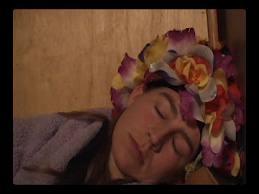
Hometown: Salt Lake City, Utah
Current city: New York (Williamsburg, Brooklyn)
Age: 37
College and degree: University of Utah, BFA Modern Dance
Website: www.sleepdance.org
How you pay the bills: Costume Coordinator for Mark Morris Dance Group, plus other wardrobe/sewing gigs
All of the hats you wear or have worn: dancer, choreographer, producer, teacher (gym, dance, substitute, yoga), math tutor, babysitter, wardrobe (stitcher, dresser, supervisor) costume designer, usher, freight loader, server, waiter, bartender, party bike driver, van driver, soccer coach, personal trainer…
Non-dance work you do: My first non-restaurant job out of college was doing wardrobe for the New Pickle Circus. Because I knew how to sew, I would often help with costumes for my friend’s dances and what I’ve started calling my “companion” career, happened without much effort. I am a member of Local 764 (NYC wardrobe union) and through union work, I get my health insurance.
———————-
Describe the first 5 years after college:
I bounced around a lot, traveling, following jobs, and testing places I wanted to live – always circling back to Salt Lake. I was a little bitter about not feeling I was prepared properly for the reality of the outside world.
Describe your dance life in your 20s….and in your 30s…..
Since college, it’s been only project based performance jobs. It wasn’t until I moved back to New York (the first time I only stayed for a few months) at 30 that I felt ready to really get serious about my dance career, and pretty quickly it became clear that I was no longer interested in trying to dance for others. This is when I started choreographing regularly.
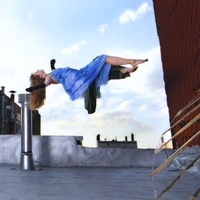
Photo: Dave Rubin
How much time a week do you spend on company work – choreographing, rehearsing, grantwriting, administrative work, etc?
Because I have a lot of flexibility with my money work, the amount of time I spend isn’t consistent week to week. When I have more costume work, I try to keep at least one, 2 hour rehearsal a week. When I’m in production mode for my own work, it can easily be 40+ hours a week. Averaged out over the year, I probably spend 25-30 hrs a week for money work and also for personal artistic work. My money work subsidizes my creative work. I do the admin for my creative work and probably spend equal amount of time doing admin and creating.
What are you curious about these days as an artist?
- Personal choice and what motivates it.
- How to balance the creative and administrative sides of having a successful career. Having new experiences with old ideas.
- Surprise (as a concept and also being taken by)
What do you look for in a dancer?
Presence and a willingness to make personal choices.
How have you found your dancers – friends, seen them in classes, held an audition, etc?
When I first started choreographing seriously, my dancers were friends and people I had worked with on other projects. In the 7 years I have been in New York, I have had one open call for dancers, but I still rely heavily on friends and referrals from peers for my dancers.

Photo: Dave Rubin
Training and care of the body:
Joint maintenance is the main focus. Using a combo of cardio and all the stretch and strengthening knowledge I’ve gained over the years works best for me. I think it’s important to really listen to your body.
Non-dance movement practices important to you:
Running, some yoga, some Pilates, and bike riding.
One or two ideas from your college experience that you think about now as an adult:
What a luxury it was to get to dance all day. The chemistry of all the people in my class – it was full of such possibility.
Setbacks:
Making mistakes is the best way to keep learning.
Costume design. How did you get into this? What classes, internships, experience do you have?
My mom taught me how to sew, and I worked in the costume shop at the University of Utah for a little bit. I started by helping friends with costumes. With my own choreography, costume is always there. If not at the beginning, then shortly after. I took a pattern making class at Salt Lake Community College in my mid 20s. For the most part it’s been on the job that I’ve gained most of my skills.
Talk a little about your costume work for Mark Morris. How long have you been doing it? How many hours a week do you work there? How did you land the job?
I’ve been working for MMDG for 3 years. I met the person who I took over for on another wardrobe job. Over the course of the year I average 20-25 hours a week. I take care of fittings and alterations when there are role changes. For new pieces, I coordinate with the designers, the shops that build the new costumes and the company. I schedule the wardrobe supervisor who tours with the company, which occasionally is me. I supervise The Hard Nut performances, which involves hiring 10-12 dressers from the local theater where the piece is being performed.
Advice to young dancers about NYC:
NYC is expensive and while it can be exciting and inspiring, it can also suck everything out of you. Investing in the non-dance side of living here (i.e. housing, money, etc) is definitely worth it and makes the intensity of this city more manageable. The thing they say about staying here for a year before you decide to stay or go is true.
I can’t speak to more commercial styles of dance, but for modern, if you just want to just dance, decide who you want to work for and stalk them. Take their classes and workshops, go to their shows and introduce yourself. Very, very, very rarely does anyone get hired from a large audition when they are a complete unknown to those who are making the decisions.
If you are interested in anything that has money making potential, invest the time it takes to make it a marketable skill. There is a lot of possibility to carve out a unique niche if you can figure out how to sell your skill set.
If you just want to experience this city and you don’t know if you want to stay long term, the more money you can save before you get here the better. There are plenty opportunities to dance, but most of them pay little or nothing because it’s incredibly difficult to get funding.
Advice to young dancers in general:
Conservatory style university settings and traditional dance ideals can offer a narrow vision of what it means to be a professional dancer. Chances are, there are more options than you think; you just may have to work a little to find them.
Enjoy your young bodies before they start making you warm-up for longer than the rehearsals last!


 Life as a Modern Dancer
Leave a comment